Gold and Silver on the Rise: What Recent Price Surges Reveal About the Global Economy and Politics
In recent months, both gold and silver have posted significant gains, reaching historic levels in their prices. These movements have caught the attention of investors, economists, and global market observers — and not without reason. Understanding why these precious metals are rising can reveal important signals about the health of the global economy, investors’ risk perception, and the international political climate. In this article, you’ll understand what’s behind this trend and what it could mean for the future.
INTERNACIONAL
Rodrigo Oliveira
1/30/20263 min read
In recent months, both gold and silver have posted significant gains, reaching historic levels in their prices. These movements have caught the attention of investors, economists, and global market observers — and not without reason.
Understanding why these precious metals are rising can reveal important signals about the health of the global economy, investors’ risk perception, and the international political climate. In this article, you’ll understand what’s behind this trend and what it could mean for the future.
Recent Appreciation: Historic Records
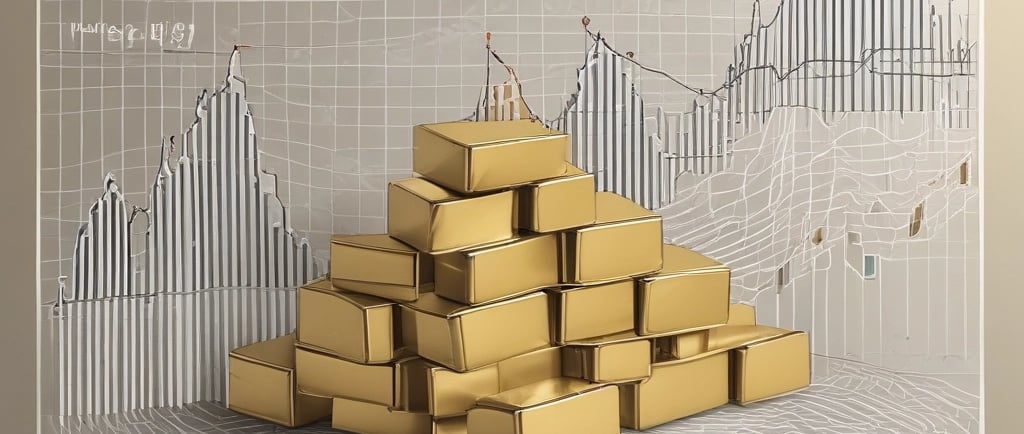
In recent days, gold prices have surpassed US$5,000 per ounce, reaching record highs.
Silver, in turn, has also hit historic peaks, climbing above US$100 per ounce — a very rare level for this metal.
This appreciation is not an isolated short-term move. Both metals have been in a strong upward trend since 2025, delivering substantial percentage gains throughout the previous year.
Why Are Gold and Silver Rising?
Discover the Secret to Wealth in Dubai - New Forbidden Strategy to Make Money Goes Viral
1. Search for Safety in Times of Uncertainty
Gold and silver are traditionally considered safe-haven assets — investments that tend to rise when market risk increases. During periods of political instability, geopolitical tensions, or economic uncertainty, investors seek protection in these metals.
In recent months, several factors have contributed to this environment:
Political tensions and tariff risks between major economies
The possibility of a U.S. government shutdown and fiscal instability
Uncertainty surrounding the direction of global monetary policy
In moments like these, investors often reduce exposure to riskier assets (such as volatile equities) and increase allocations to gold and silver as a way to preserve wealth.
2. Monetary Policy: Interest Rates and the Dollar
Expectations of interest rate cuts by the Federal Reserve (Fed) have been one of the main pillars behind the rally in precious metals.
Typically, when interest rates fall:
Returns on fixed-income investments decline
The opportunity cost of holding non-yielding assets (like gold and silver) decreases
The U.S. dollar tends to weaken, benefiting commodities priced in dollars
Together, these factors make gold and silver more attractive for capital allocation within investment portfolios.
3. Industrial Demand — Especially for Silver
While gold is widely seen as a hedge against uncertainty, silver plays a dual role:
A precious metal used as a store of value
A critical industrial component for technology, solar energy, and electronics sectors
This growing industrial demand helps sustain stronger price movements, especially when there are global supply shortages or logistical constraints.
What Could This Mean Economically?
1. Reduced Confidence in the Traditional Financial System
When investors move heavily into gold and silver, it often signals weakening confidence in traditional assets such as stocks and bonds.
2. Expectations of Slower Economic Growth
Strong moves in precious metals frequently reflect concerns that global economic growth may slow down or face unexpected risks.
3. Pressure on the Dollar and Fiat Currencies
A flight to gold and silver is commonly associated with the depreciation of fiat currencies, particularly the U.S. dollar. This usually happens when doubts arise about the fiscal or monetary stability of major economies.
And What Does This Mean Politically?
1. Trade Tensions and Tariffs
The recent rally has also been fueled by fears of higher tariffs between the U.S. and its trading partners, impacting global trade flows and increasing market stress.
When major economies adopt aggressive tariff policies, it tends to:
Reduce international confidence
Slow global economic growth
Increase market volatility
This type of environment typically favors safe-haven assets.
2. Geopolitical Instability
Prolonged or escalating geopolitical conflicts further intensify uncertainty — both economic and political. Gold and silver benefit directly in such scenarios.
In other words, the upward trend in these metals acts as a barometer of global instability — whether economic, monetary, or political.
Forecasts and Expectations for 2026
Analysts and major research institutions expect this bullish trend to continue into 2026. According to recent projections, gold could rise even further as monetary policies remain accommodative and geopolitical tensions persist.
Click here and read our article: How the Financial Revolution Is Transforming the Way We Invest and Build Wealth
For silver, the combination of industrial demand and the search for protection could once again push prices higher.
Discover the Secret to Wealth in Dubai - New Forbidden Strategy to Make Money Goes Viral
Conclusion
The recent appreciation of gold and silver is not merely an isolated price movement.
It reflects a broader landscape of economic and political uncertainty, combined with expectations of shifts in global monetary policy and investment behavior.
For investors and market observers, these movements serve as:
A warning signal about macroeconomic risks
An opportunity for wealth protection
An indication that fiscal policies and international conflicts continue to shape global markets
Keeping an eye on this dynamic is essential not only for investing, but for understanding the signals markets send about the future of the global economy.